
Joodse traditie als permanent leren
Joodse traditie als permanent leren
1986
1986
1ed 1986
347


er de opvatting mee te verdedigen valt,
(1) dat de wereld (de schepping, de werkelijkheid) en de Torah even werkelijk zijn en
(2) dat de Torah misschien wel belangrijker is dan de wereld. Een moderne talmudgeleerde formuleert deze opvatting aldus:
'((The)) analogy between the natural world and Torah is ancient and was developed at length by the sages. One of its earliest expressions is the theory that just as an architect builds a house according to a blueprint, so the Holy One, Blessed be He, scanned his Torah in creating the world. According to this viewpoint, it follows that there must be a certain correlation between the world and Torah, the latter forming part of the essence of the natural world and not merely constituting external speculation on it'.
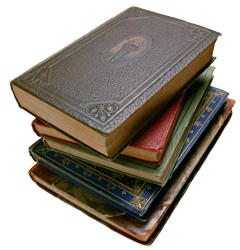
In het in stand houden van de wereld is ook het in stand houden van het joodse volk begrepen, zowel fysiek als geestelijk. In de loop der eeuwen is (veel van) de joodse traditie in boeken vastgelegd en door lerende kinderen én volwassenen (dwz. leerlingen) tot leven gebracht. Aanslagen op het joodse boek, zoals bijvoorbeeld boekverbrandingen, waren dan ook altijd aanslagen op het joodse volk: 'Das war ein Vorspiel nur; wo man Bücher verbrennt, verbrennt man auch am Ende Menschen'
Uit de niet aflatende studie van de Torah putte het joodse volk steeds weer de kracht om dieptepunten in zijn geschiedenis te overkomen. Dat ook de vijanden van het joodse volk geweten hebben dat de levenskracht van dit volk in 'het leren' gelegen was, blijkt uit de volgende woorden:
"Would you destroy the Jews', is the reply of the wise Oenomaus of Gadara to Israel's foes, 'you must first destroy their synagogues and schools; for while the voices of their children continue to chirp in the schools, and they are taught the word of God, all the world will not
Deze techniek levert geen 100% correct resultaat op. Dat betekent dat er onjuiste tekens in de tekst kunnen voorkomen.
Weergave
Afbeelding / Tekst (OCR)

Alle boeken in deze digitale bibliotheek kunt u gratis lezen of downloaden. Met een vrijwillige donatie helpt u ons met het in stand houden en verder uitbreiden van de bibliotheek. Klik hier als u een bijdrage wilt overmaken.